




Since your sofa is an essential piece of your living room, it's important to take the utmost care to ensure it maintains its appearance over the years. Fabric sofas have the advantage of being easy to maintain, provided you take a few precautions beforehand. Let's discover these tips for properly maintaining your fabric sofa .

Regular maintenance of a fabric sofa
It is essential to take steps to care for your fabric sofa over the long term, and thus maintain its initial appearance.-
Dusting your fabric sofa
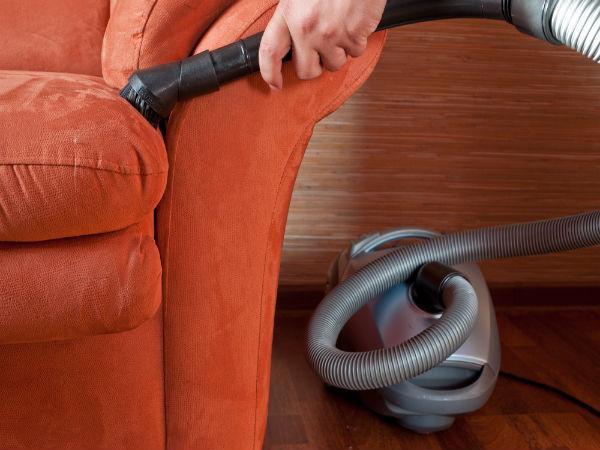
Inevitably, volatile dust particles in your home will also settle on your sofa. It's therefore important to remove it regularly to sanitize the furniture and the environment. Since dust can contain allergens, it will need to be removed regularly, especially in high-traffic areas. To remove the particles, use your vacuum cleaner (the brush attachment will help) and dust the entire surface about twice a month.
-
Wash the sofa fabric
Machine or hand wash
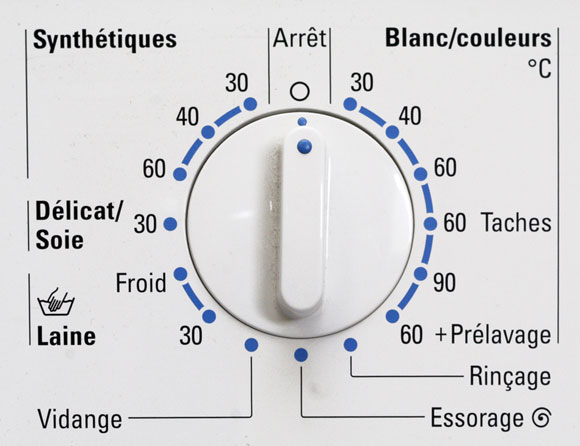
Have you opted for a sofa with removable covers ? Good news, it'll make maintenance even easier. Carefully untie the cover from its frame and refer to the washing instructions on the label or user manual. Take the time to check whether the sofa's fibers are natural or synthetic (microfiber).
If machine washing is possible, program carefully to avoid damaging the fabric, especially if the temperature or spin speed is incorrectly set. Hand washing is also possible. In any case, washing the fabric at least every six months will help keep your sofa clean and looking its best.
Liquid or foam fabric shampoo
If your sofa cover isn't removable, don't panic; you can still clean and maintain it. By referring to the sofa's label, you'll know whether the fabric is water-resistant or not.
If water is allowed, you can use a liquid shampoo , rub it over the entire fabric (including the non-visible parts) then rinse and dry evenly with a towel to absorb as much water as possible. If the fabric does not tolerate water, opt for dry cleaning . You will find special foams for fabric on the market that will penetrate the heart of the fibers to clean, deodorize and revive the colors.
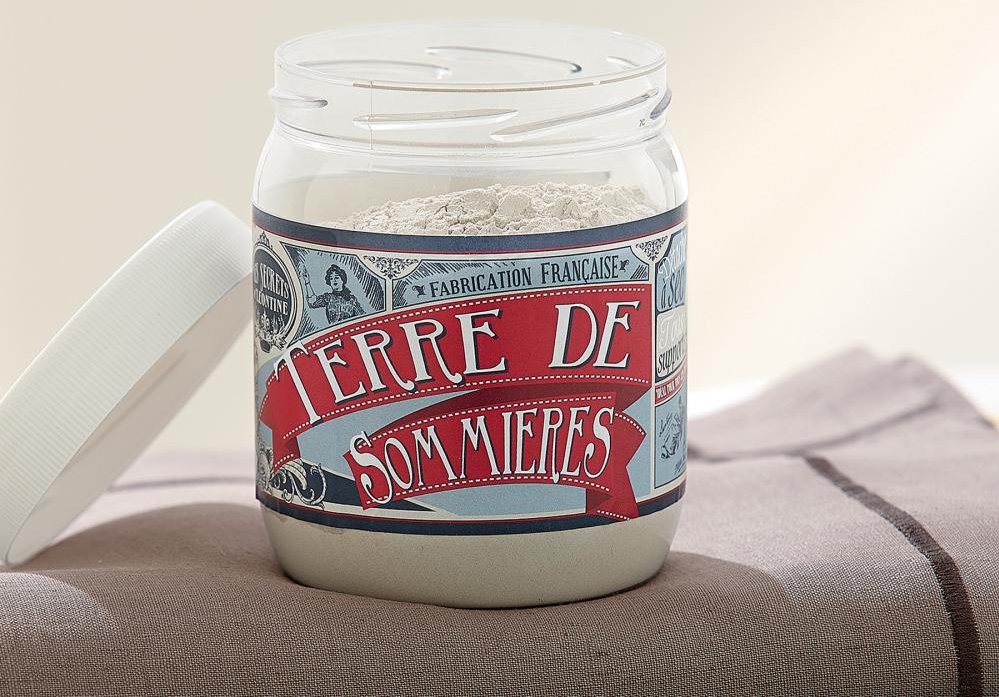
Sprinkling Sommière earth on the sofa can healthily refresh your sofa in just a few hours. All you have to do is vacuum it to remove the powder and what it has absorbed.
Preventive measures
When purchasing your fabric sofa, check certain elements. This will help you better maintain your furniture and ensure its longevity.-
Keep the manufacturer's instructions
-
Provide a second fabric cover
If you've chosen a removable sofa cover, it might be wise to consider purchasing a second cover . This secondary item could be a lifesaver. Whether you're switching between washes or replacing a damaged one, a replacement cover will be a valuable ally that will prevent your sofa from being left unprotected and keep your living room looking pristine.
Do not hesitate to contact the seller of your sofa to find out more about removing and then re-covering your sofa .

-
Protect your fabric sofa before use
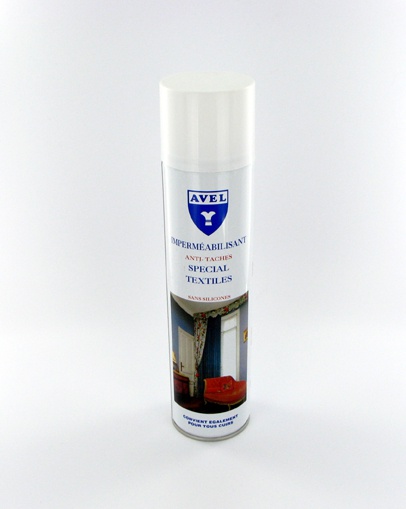
To keep your sofa in good condition for as long as possible, and to increase its longevity, you will need to protect it from life's little mishaps. The key element will be waterproofing , a product that will protect the fabric sofa from liquids and stains on your fabric sofa .
Spray it evenly and regularly over the entire fabric surface (remember to protect other parts of the sofa), make two crisscross passes if necessary and leave to dry for one to 24 hours according to the instructions on the product.
Learn more about caring for and removing stains from a white sofa with our expert tips. Also, check out our advice on caring for a leather sofa and how to preserve the appearance of your favorite furniture for a long time.
-
Avoid allowing water to accumulate in seams and gaps
Water is one of the main enemies of fabric sofas, especially when it accumulates in seams and gaps. This buildup can not only cause water stains, but also promote the growth of mold and mildew, damaging the fabric and compromising the sofa's structural integrity.
To avoid these problems, be sure to dry any spills on the sofa immediately. Also, avoid placing wet items on the sofa and, if possible, position it away from windows where rain could seep in. If you clean your sofa with water, be sure to dry the area completely before replacing it.
-
Repair any tears or rips as quickly as possible.
Every tear or snag on a fabric sofa, no matter how small, can grow larger over time and with use, compromising the aesthetics and durability of your furniture. Therefore, acting quickly is essential. For small snags, a needle and thread may be all you need.
Make sure you choose a thread that matches the fabric color for a discreet repair. If the tear is larger or in a highly visible area, consider hiring a professional or using a fabric repair kit. Protecting your investment by addressing damage as soon as it occurs will ensure your sofa retains its look and functionality for many years to come.
 The up and down coffee table: practical on a daily basis for small homes
 Liftable table: which design to go with my sofa?
 Liftable coffee table: round or rectangular? Our advices
 Which system for your sofa bed?
 Small living room sofa: how to choose wisely without sacrificing comfort
 Which upholstery for a sofa? The guide to making the right choice


